Spam har blivit en daglig plåga i många människors digitala liv, men vad innebär det egentligen och hur kan du skydda dig? Från oönskade e-postmeddelanden till irriterande popup-fönster på nätet, spam finns i många former och kan vara mer än bara ett störande moment. Det kan även utgöra en säkerhetsrisk. I den här artikeln kommer jag att guida dig genom vad spam är, dess vanligaste former och hur det påverkar dig. Vi börjar med att utforska själva fenomenet.
Vad är spam?
Spam är oönskade digitala meddelanden som skickas i stora volymer, ofta med syftet att sälja något eller sprida skadlig programvara. Det är inte bara begränsat till e-post; det kan även involvera SMS, sociala medienotifikationer och automatgenererade telefonanrop. Även om syftet kan variera, från harmlös reklam till försök att lura mottagaren på pengar eller information, är den gemensamma nämnaren att mottagaren inte har bett om att få dessa meddelanden.
De vanligaste formerna av spam
Spam kan dyka upp i din digitala vardag på flera oväntade sätt. Nedan listar jag några av de vanligaste formerna:
- E-postspam: Det mest kända formatet, ofta fyllt med reklam för produkter eller tjänster.
- Sociala medier: Inlägg eller meddelanden som automatiskt sprids till stora grupper på plattformar som Facebook eller Twitter.
- Telefonspam: Oönskade telefonsamtal som försöker sälja något eller genomföra bedrägerier.
- SMS-spam: Meddelanden skickade till din mobil utan ditt medgivande, ofta med länkar till tvivelaktiga webbplatser.
Denna spridning av spam i olika kanaler visar på vikten av att vara uppmärksam och informerad om de risker som finns.
Hur spam påverkar dig
Effekterna av spam sträcker sig längre än till en överfylld inkorg eller irriterande avbrott. Det kan också innebära allvarligare risker:
- Säkerhetsrisker: Spam kan innehålla skadlig programvara som syftar till att infektera din dator eller mobil för att stjäla personlig information eller utföra andra illasinnade handlingar.
- Produktivitetsförlust: Att kontinuerligt hantera oönskade meddelanden kan ta upp värdefull tid som kunde användas mer produktivt.
- Ekonomiska förluster: Vissa spam-meddelanden kan leda till bedrägerier där offren luras att överföra pengar eller avslöja finansiell information.
Att förstå dessa påverkningar är grundläggande för att skydda dig mot spam och dess potentiella skador. Genom att lära dig mer om dessa vanliga former och deras effekter kan du ta bättre beslut om hur du hanterar oönskade meddelanden och skyddar din digitala närvaro.
Grundläggande tekniker för att undvika spam
Att stävja floden av spam i din digitala vardag kräver mer än bara sunt förnuft; det kräver också användning av rätt verktyg och tekniker. Först och främst är det viktigt att du aldrig öppnar eller svarar på e-postmeddelanden som ser misstänkta ut. Detta kan verka som en enkel regel, men det är förvånansvärt lätt att bli distraherad och klicka på en länk utan att tänka. Förutom denna grundregel finns det flera andra metoder som du bör implementera:
- Använd spamfilter: De flesta e-posttjänster erbjuder någon form av spamfilter. Se till att dessa är aktiverade och konfigurerade för att passa dina behov.
- Var försiktig med vad du delar online: Ju mindre personlig information du delar offentligt, desto mindre sannolikt är det att dina uppgifter hamnar i händerna på spammare.
- Lär känna avsändarens e-postadress: Dubbelkolla avsändarens e-postadress innan du öppnar meddelandet, även om namnet ser bekant ut.
Dessa steg är bara början, men de lägger en solid grund för att skydda dig mot oönskade intrång.
Hur man använder e-postfilter effektivt
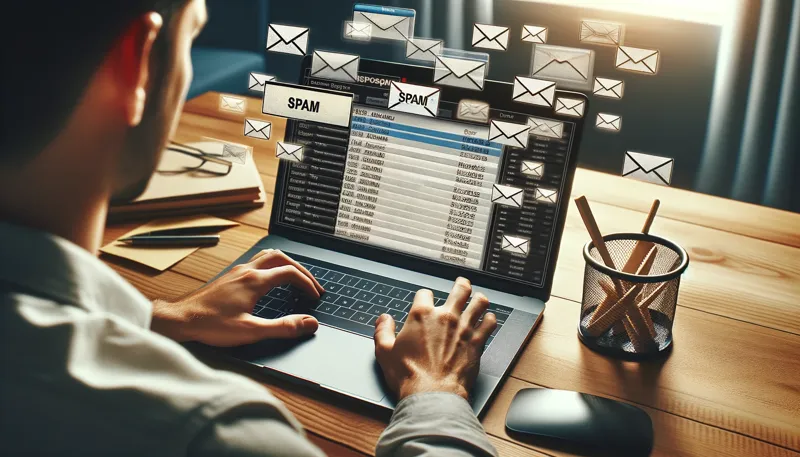
E-postfilter är en av de mest effektiva verktygen för att bekämpa spam. För att dessa ska fungera optimalt bör du regelbundet se över och justera inställningarna. Här är några tips på hur du kan finjustera ditt e-postfilter för att få bästa möjliga skydd:
- Markera spam: När du får ett spam-mail, markera det som spam istället för att bara radera det. Detta lär ditt filter att identifiera liknande meddelanden i framtiden.
- Säker lista: Lägg till e-postadresser från personer och organisationer du litar på i din säker lista så att deras meddelanden inte felaktigt klassas som spam.
- Anpassa filternivån: Många e-posttjänster låter dig ställa in hur aggressivt filtret ska vara. Om du märker att viktiga e-postmeddelanden blockeras, kan du behöva justera denna nivå.
Genom att aktivt förvalta dina e-postinställningar kan du avsevärt minska mängden oönskade meddelanden som når din inkorg.
Vikten av att uppdatera dina mjukvaror
Att hålla ditt operativsystem och alla installerade program uppdaterade är avgörande för att skydda dig mot spam och andra digitala hot. Programvaruutvecklare släpper regelbundet uppdateringar som fixar säkerhetshål och förbättrar skyddet mot nya hot. Här är stegen du bör följa för att säkerställa att din mjukvara är uppdaterad:
- Aktivera automatiska uppdateringar: De flesta operativsystem och applikationer erbjuder möjligheten att automatiskt ladda ner och installera uppdateringar. Detta säkerställer att du alltid har den senaste säkerheten utan att manuellt behöva kontrollera och installera uppdateringar.
- Var uppmärksam på uppdateringsmeddelanden: Även om du har aktiverat automatiska uppdateringar, är det viktigt att vara uppmärksam på eventuella meddelanden om att en uppdatering kräver din manuella ingripande, som att omstarta datorn.
- Undvik att ladda ner mjukvara från osäkra källor: Endast ladda ner program och appar från pålitliga, officiella källor för att undvika skadlig kod.
Genom att alltid ha uppdaterad mjukvara minskar du risken för säkerhetsproblem som kan utnyttjas av spammare och andra cyberbrottslingar. Det är ett enkelt, men kraftfullt sätt att skydda både din information och din enhet.
Att känna igen och rapportera spam
Ett viktigt steg i att bekämpa spam är att lära sig känna igen det. Spammail kan ofta kännas igen på deras otydliga ämnesrader, stavfel, okända avsändare och ovanliga filbilagor. Om du misstänker att ett meddelande är spam är det bäst att inte öppna det. Men att bara ignorera spam räcker inte alltid för att stoppa det. Rapportera det till din e-postleverantör eller till en organisation som bekämpar cyberhot. Detta hjälper till att förbättra spamfiltren och skydda andra användare från liknande intrång.
Fördelarna med att vara restriktiv med din e-postadress
Din e-postadress är en viktig digital tillgång som bör skyddas. Genom att vara restriktiv med vem du delar din e-postadress med kan du avsevärt minska mängden spam du får. Tänk på följande när du delar din e-postadress:
- Använd separata e-postadresser: En för personligt bruk och en annan för shopping, nyhetsbrev och registreringar på webbplatser.
- Undvik att lämna ut din e-post offentligt: Ju fler platser din e-postadress är synlig på, desto större är risken att den hamnar i händerna på spammare.
- Var kritisk vid registreringar: När du registrerar dig för tjänster eller prenumerationer, var noga med att granska webbplatsens integritetspolicy och se om de tillåter delning av din information med tredje part.
Att följa dessa riktlinjer hjälper dig att behålla kontrollen över din e-post och minskar spam.

Säkerhetsåtgärder på sociala medier för att förhindra spam
Sociala medier är en annan vanlig arena för spam. För att skydda dig mot spam på dessa plattformar är det viktigt att vidta försiktighetsåtgärder:
- Justera dina sekretessinställningar: Se till att dina inlägg endast kan ses av vänner eller personer du litar på.
- Vara skeptisk till okända vänförfrågningar: Acceptera inte vänförfrågningar från personer du inte känner, då detta kan vara en inkörsport för spammare att nå ditt nätverk.
- Använd verktyg för att blockera och rapportera spam: De flesta sociala medieplattformar har funktioner för att rapportera och blockera konton som sprider spam.
Genom att aktivt använda dessa verktyg kan du hjälpa till att hålla ditt sociala medieflöde rent från oönskat innehåll.
Avslutning
Att hantera och undvika spam kräver en kombination av teknik, försiktighet och uppdaterad kunskap. Genom att följa de strategier som diskuterats – från att använda effektiva spamfilter och vara återhållsam med var du delar din e-postadress, till att vidta säkerhetsåtgärder på sociala medier – kan du avsevärt minska mängden spam i ditt liv. Kom ihåg, att skydda din digitala närvaro är en kontinuerlig process. Att vara proaktiv och informerad är ditt bästa försvar mot de ständigt utvecklande taktikerna som spammare använder. Med dessa kunskaper kan du navigera i den digitala världen med större säkerhet och färre avbrott.